THE LITTLE STORY OF NARANJAS Y LIMONES (NyL)
La Alameda, the area we are in was an interior lagoon, a remnant of the Guadalquivir riverbed that passed through Trajano Street in Roman times. In 1574 the Count of Barajas drained it, planted trees and beautified it with fountains, gardens and the columns of the Roman temple, brought from the calle Mármoles (marble street) and crowned by Hercules and Julius Caesar. It was the first urban public space built in Spain and probably in Europe in the Modern Age. From the 16th to the 19th century, it was the favorite walk of high-born Sevillians; but towards the end of the 19th until the end of the 20th, there was a degradation that made the area an undesirable place.
In that Alameda of the 70s of the past century, there were many taverns, bars frequented by criminal hustlers and numerous brothels. The right area (where NyL is located) maintained a certain level of security, but the left was extremely dangerous. The house where you are staying was at that time a tavern on the ground floor and a brothel on the upper floor. Abundant drinking, illicit gambling, perhaps fights, flamenco singing (the original flamenco was very tavern-oriented) and ladies of the night. These walls have been silent witnesses of this. The lupanar was closed in the 90s, as a result of real estate speculation.
In front of NyL, there is one of the houses where the Sevillian romantic poet Gustavo Adolfo Bécquer lived. He moved his residence to various homes in the San Lorenzo neighborhood, enjoying the atmosphere of the neighborhood during his childhood and adolescence.
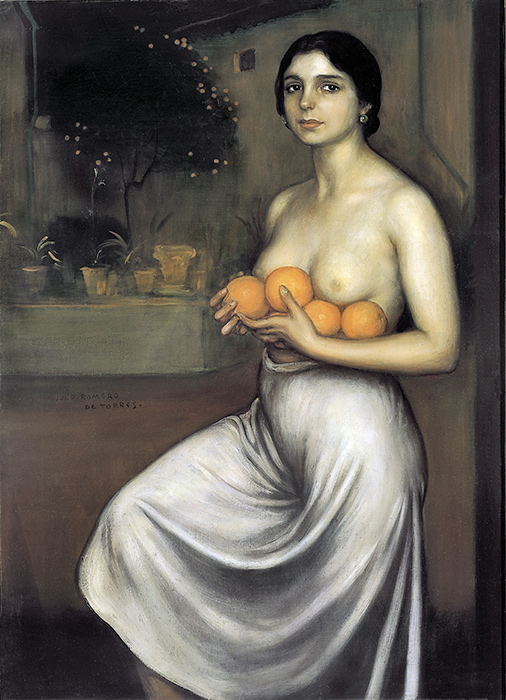
Naranjas y limones. Julio Romero de Torres