Cathedral ceilings
Seville Cathedral is the third largest church in Christianity, after St. Peter's Basilica in Rome and St. Paul's in London. The climbs and descents of the intricate spiral staircases, the views, the forest of flying buttresses and the decks that resemble framed stone dunes make this visit well worth it.
There are many stories, many places that hold secrets hidden or simply show details in plain light that few Sevillians know about. On the so-called Cuesta del Rosario there are Roman cisterns that you can see through bars in the ground, towers like those of La Plata or Abdelaziz, which were part of the Almohad defensive system that was closed with the Torre del Oro, –an albarrana tower attached to the river–, the channeled doors to be boarded up and defended from the floods of the Guadalquivir, the alley of the Inquisition, whose remains of the castle are located under a market in Triana, the artisan corrals where forgotten trades are concentrated and about to be lost, the neighborhood corrals such as the beautiful Corral del Conde or “the beautiful fence” in Triana are just some of the examples that you can gradually discover. Places such as forgotten convents that sometimes you find open, pleasant narrow streets, impressive palace houses, some hidden in the narrowness of the downtown streets, the mint where the gold and silver ducats that financed expeditions to America were minted, will show you that Seville has a lot to offer inside and out.
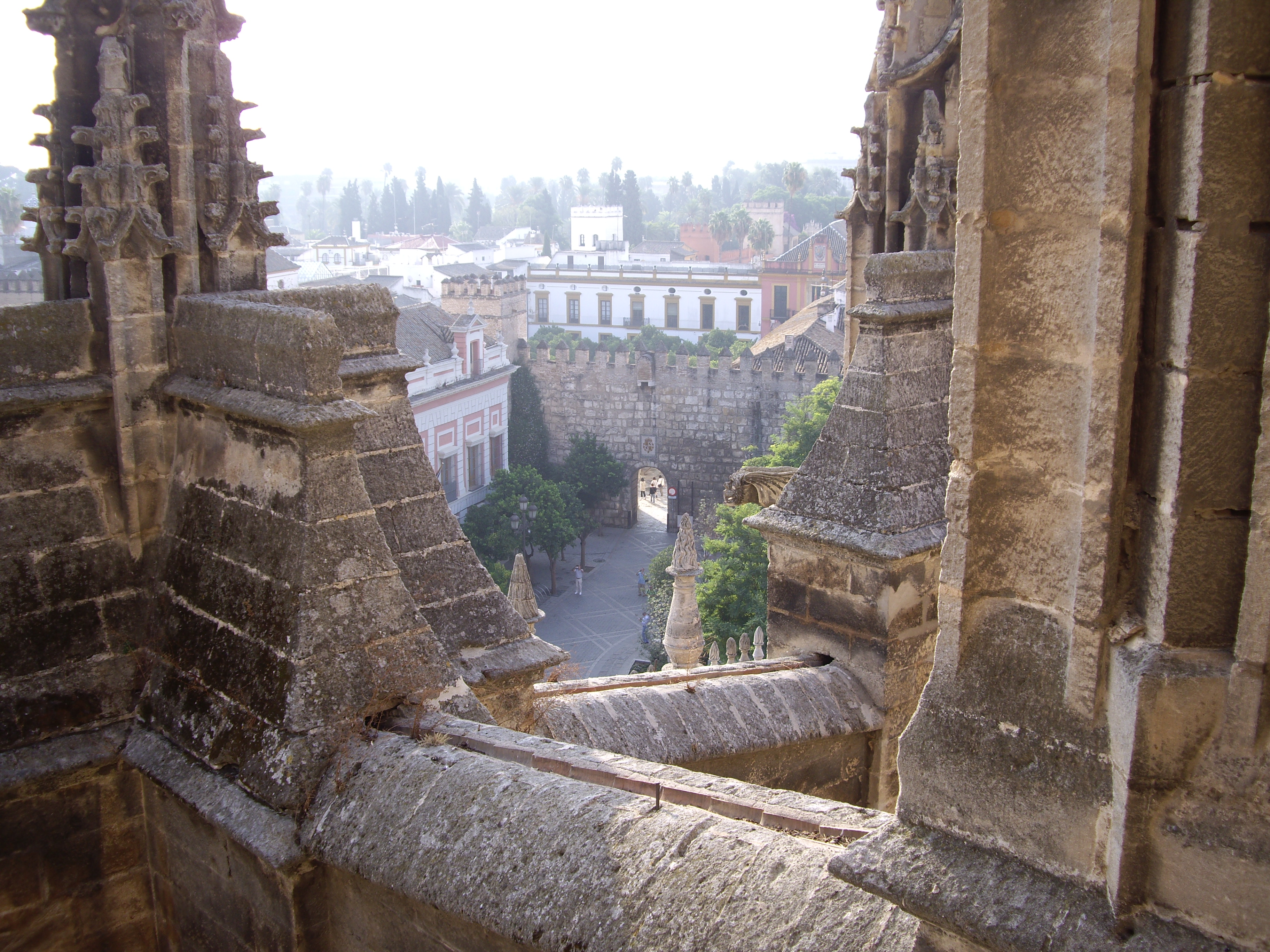
Foto techo catedra
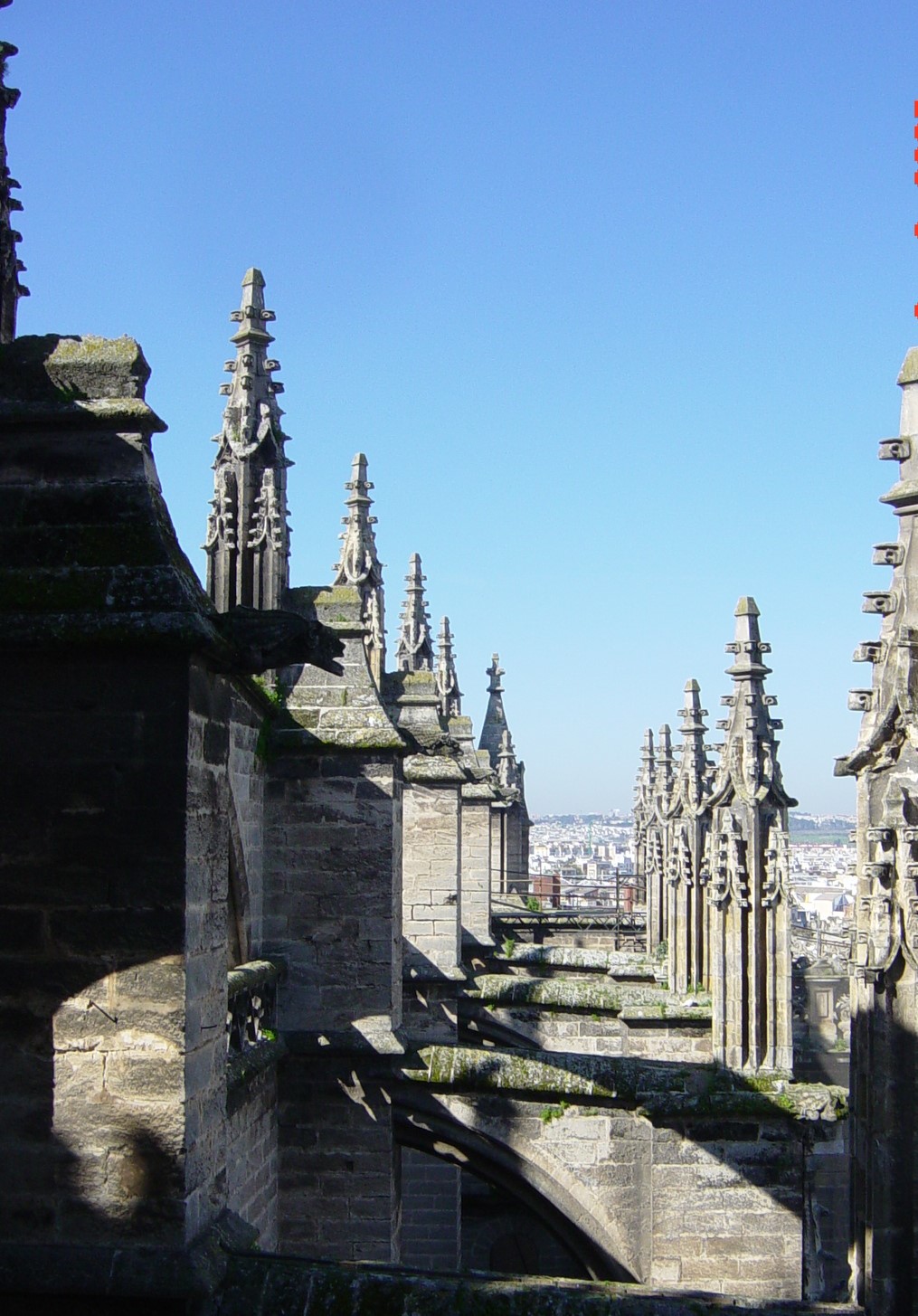
Foto techo catedra
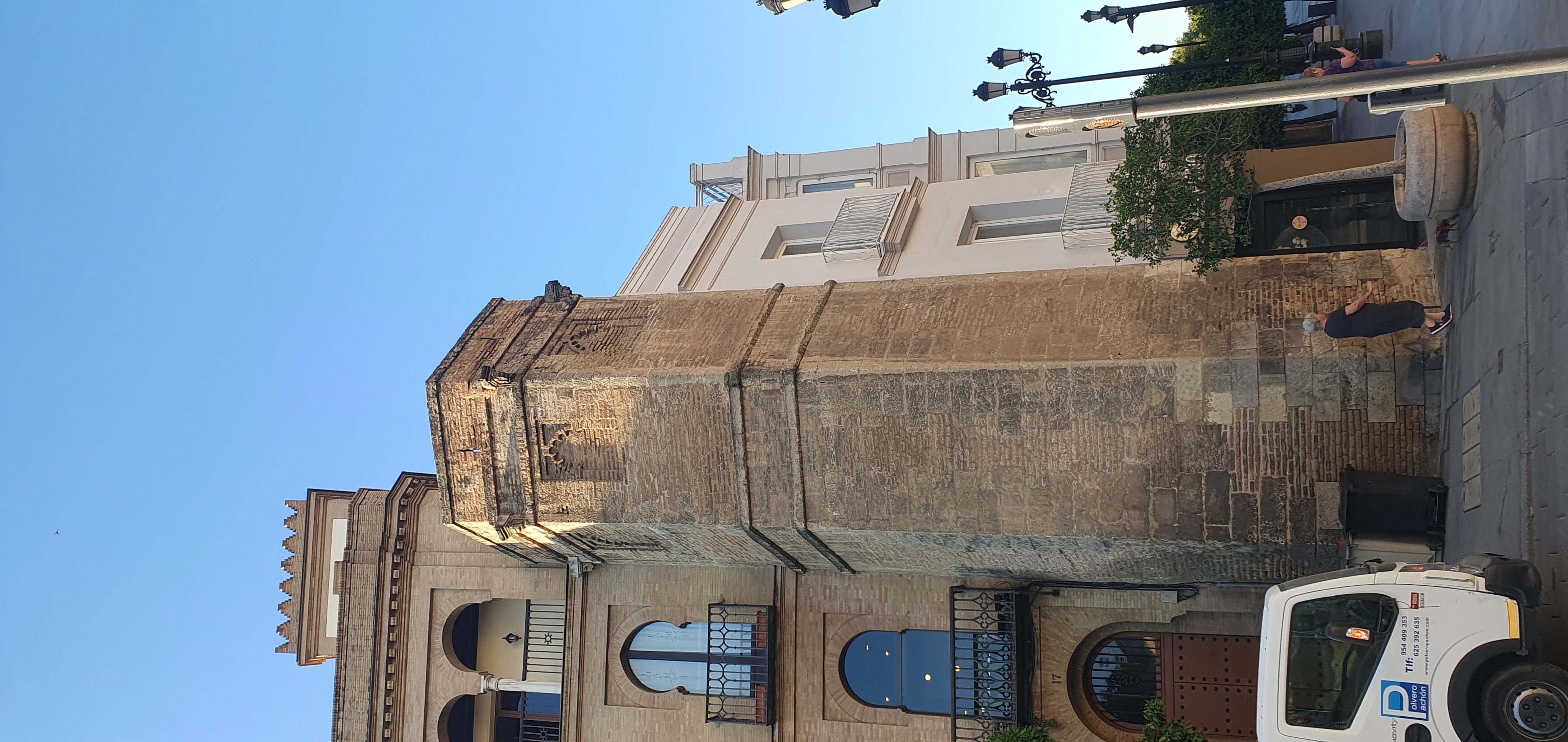
Torre de Abdelaziz
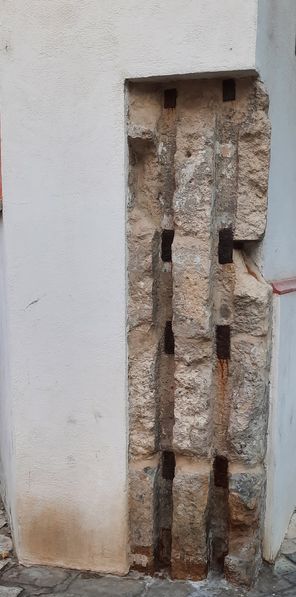
Railes de tablas para inundaciones
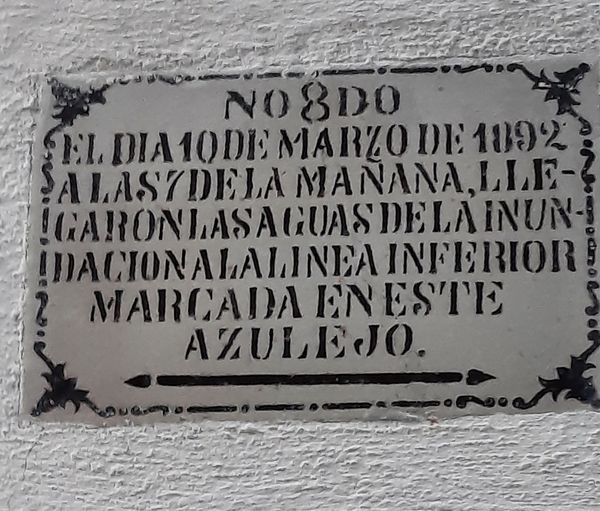
Azulejo llegada rio